


Teeth veneers have become a popular cosmetic dental solution for individuals seeking to enhance the appearance of their smiles. However, a common concern among potential patients is whether the process of getting veneers is painful. In this article, we will explore what veneers are, the procedure involved, and answer the burning question: "Are veneers painful to get?"
What Are Veneers?
Veneers are thin, custom-made shells designed to cover the front surface of teeth. They can be made from porcelain or composite resin. These shells are used to correct various dental issues such as:
- Discoloration
- Chips and cracks
- Gaps between teeth
- Misalignments
The result is a natural-looking, radiant smile that can significantly enhance confidence.
>>> See more: https://dentalinvietnam.com/dental-veneers-in-ho-chi-minh-city-viet-nam/
The Veneer Procedure
Getting veneers typically involves several steps:
1. Consultation and Planning
The first step is an initial consultation with your dentist. During this visit, you will discuss your goals, undergo an oral examination, and develop a customized treatment plan. Your dentist may take X-rays or impressions of your teeth to ensure a proper fit.
2. Tooth Preparation
Preparing the teeth for veneers is often the most crucial step. Your dentist may remove a small amount of enamel from the front of the teeth to ensure a proper fit for the veneers. This process typically involves:
- Local Anesthesia: To minimize discomfort during the enamel removal, local anesthesia is usually administered. This numbs the area and helps prevent any pain during the procedure.
3. Impressions and Fabrication
Once the teeth are prepared, your dentist will take impressions to create custom veneers that match your existing teeth in color and shape. Typically, this process can take a couple of weeks.
4. Bonding the Veneers
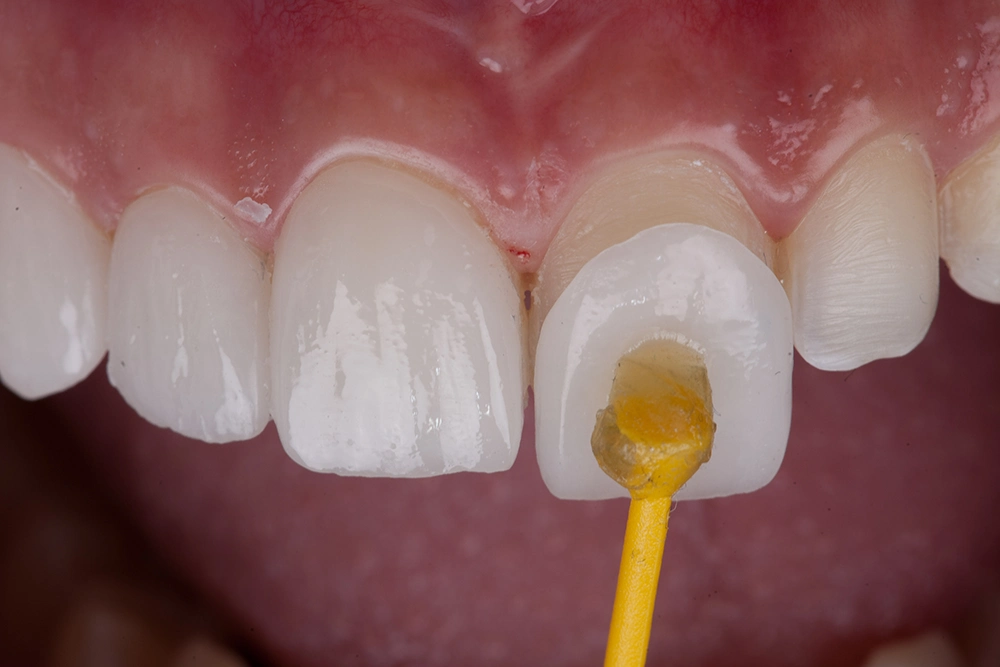
In the final step, your dentist will bond the veneers to your teeth using a special adhesive. Once positioned correctly, a light is used to harden the adhesive. Your dentist will then make any necessary adjustments to ensure a perfect fit.
Is the Process Painful?
The experience of pain is subjective and can vary from person to person. Here’s a closer look at what you can expect in terms of discomfort:
During Tooth Preparation
- Anesthesia: Most patients report minimal pain during the tooth preparation phase due to the local anesthesia. You may feel some pressure, but extreme pain is uncommon.
- Post-Procedure Sensitivity: After the anesthesia wears off, some patients may experience tooth sensitivity or mild discomfort for a short period, especially if enamel was removed. This is typically manageable with over-the-counter pain relief.
During Impressions and Bonding
- Impressions: Taking impressions can feel mildly uncomfortable, but it shouldn't cause pain. Some patients may dislike the sensation of the impression material but it's generally brief.
- Bonding: The bonding process is typically painless. If you feel any discomfort during this phase, inform your dentist immediately.
Managing Pain and Discomfort
If you experience sensitivity after getting veneers, there are several strategies for managing discomfort:
- Over-the-Counter Pain Relief: Medications such as ibuprofen or acetaminophen can help alleviate mild pain or sensitivity.
- Sensitivity Toothpaste: Using a toothpaste designed for sensitive teeth can make a noticeable difference in comfort.
- Avoid Certain Foods: For a few days post-procedure, avoid extremely hot, cold, or hard foods that may exacerbate sensitivity.
Factors Influencing Pain Levels
A few factors can influence your overall pain experience during the veneer process:
1. Individual Pain Threshold
Everyone has a different sensitivity to pain. While most people find the procedure relatively painless, you may experience more discomfort based on your personal threshold.
2. Experience of the Dentist
An experienced dentist can minimize discomfort through efficient techniques and proper anesthesia administration. Choosing a qualified professional is crucial.
3. Dental Health
Pre-existing dental conditions, such as gum disease or tooth decay, may heighten discomfort during the procedure. Addressing these issues before getting veneers is essential.

Common Misconceptions About Veneers and Pain
Many potential patients have misconceptions about getting veneers, believing they will be an extremely painful process. The following points can help clarify:
- Veneers Are Not a Surgical Procedure: Unlike some dental surgeries, getting veneers is a minimally invasive procedure that typically involves only local anesthesia.
- Post-Procedure Sensitivity Is Normal: Many patients experience some sensitivity post-procedure, but it usually subsides within a few days.
Conclusion
In conclusion, the question "Are veneers painful to get?" can largely be answered with a resounding no. The process is generally considered to be low in pain due to local anesthesia and effective techniques used by skilled dentists. While some sensitivity may occur post-procedure, it is typically mild and manageable.
If you're considering veneers, consult a qualified dentist to discuss your options and any concerns you may have about discomfort. With the right care and preparation, you can achieve a stunning smile without the fear of significant pain. Enjoy the confidence that comes with a beautiful smile!
>>> See more: https://hoasu6018.wixsite.com/dental-care-knowledg/post/answering-do-you-need-to-shave-teeth-for-veneers